
Zoe Bentley’s Making as a Profiler
A Killer’s MindZoe Bentley’s path from a frightened, inquisitive teenager to a gifted profiler is shaped by a formative failure, unresolved trauma, and the difficult work of trusting her own judgment without mistaking conviction for proof.
increasing Bearing strength in each event
 decreasing
Bearing strength in each eventdecreasingA Girl Drawn to Murder
A Girl Drawn to Murder
Fear and fascination
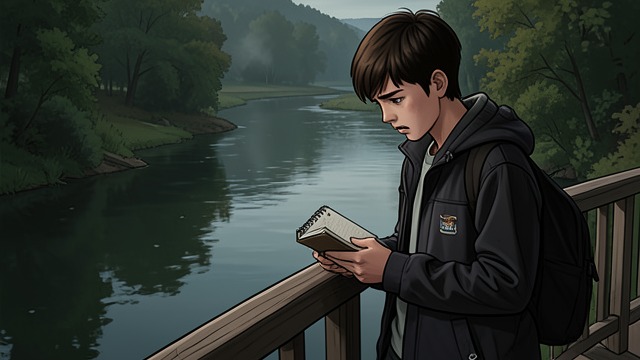
Fourteen-year-old Zoe Bentley is disturbed by Beth Hartley’s murder, yet cannot stop thinking about it. She visits White Pond Road Bridge, where the body was found, trying to replace imagined horror with the reality of the peaceful landscape. The trip brings no relief: fear persists alongside an unsettling thrill.
An instinct without authority
As Maynard grows frightened, Zoe collects newspaper accounts and tries to understand the killings herself. Her fascination does not mean she is indifferent; she is struggling to make sense of violence that adults would rather keep from her. That combination of curiosity and unease becomes an early version of the imagination she will later use professionally.
Zoe has no formal training and little standing with the adults around her. Still, she instinctively treats the murders as a pattern to be examined rather than a mystery to be avoided. That impulse becomes one of the first signs of the vocation she will eventually pursue.
The Unheard Warning
The Unheard Warning
A self-appointed investigation
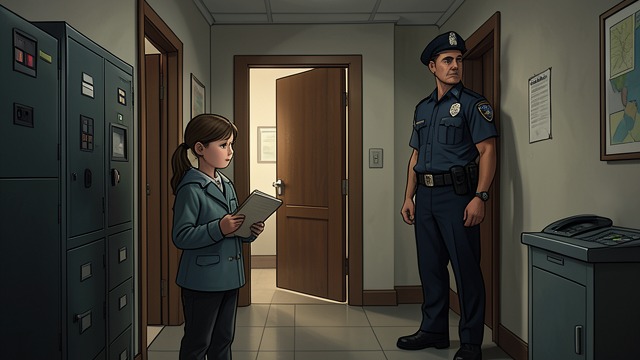
After the killings of Beth Hartley, Jackie Teller, and Clara Smith, Zoe studies serial-killer books and begins suspecting her neighbor, Rod Glover. She notices his implausible stories, his behavior at Durant Pond, and disturbing items in his bedroom. Believing the details fit together, she risks entering his home and then goes to the police with her theory.
Adult certainty against a child’s evidence
Officer Will Shepherd dismisses her suspicion, and her father is furious that she accused a neighbor and entered his house. The police instead focus on Manny Anderson, treating a shaky interpretation of the evidence as a solution. Zoe’s inability to persuade them leaves her humiliated and unsure whether her reasoning has failed or the adults have failed to listen.
The episode teaches her an enduring lesson, but not a simple one: intuition can point toward danger, yet conviction alone cannot make other people accept a case. Her humiliation helps fuel her later drive to become an expert whose conclusions will carry authority.
The Cost of Being Right
The Cost of Being Right
A suspicion that survives dismissal
After Glover threatens Zoe and her younger sister, Andrea Bentley, the police still fail to establish his guilt. Manny Anderson is arrested and dies in custody, allowing the town to regard the case as settled even as Glover disappears. Zoe keeps the evidence and memories alive, but years of being dismissed make the old case a wound as well as a source of professional purpose.
Expertise and old fear collide
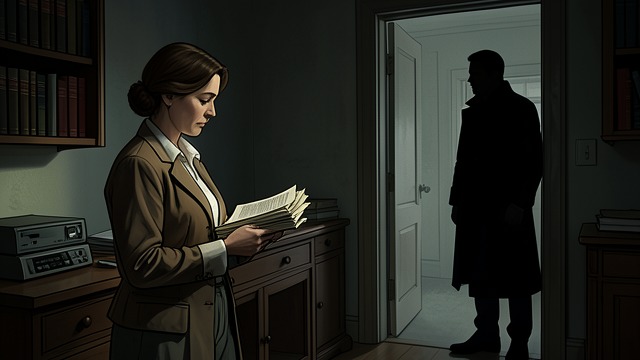
In Chicago, Zoe recognizes similarities between the new murders and the killings in Maynard. When she receives the gray ties and connects them to Glover, she hesitates to tell the authorities, fearing that her history will make her seem obsessed. Instead of placing the evidence before her colleagues, she investigates the possibility alone and goes to a crime scene without informing them.
Glover attacks her at Saganashkee Slough, proving that her danger was real while also exposing the costs of keeping her suspicions private. Her instinct is not enough to protect her or the case: the old injury has compromised her judgment about what to disclose and when.
A Wound Reopened
A Wound Reopened
Physical survival, emotional aftermath
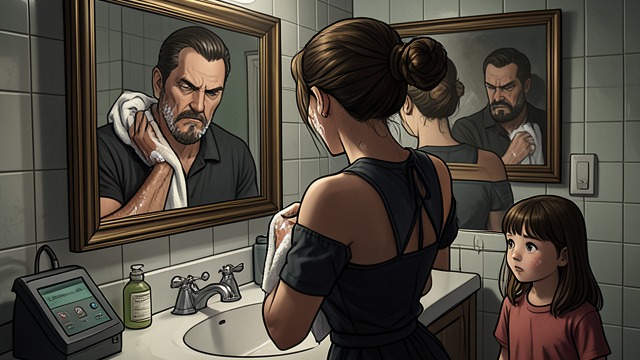
Zoe survives Glover’s attack with serious injuries, but her return to Virginia does not immediately restore her sense of control. She scrubs her skin raw in the shower, reliving his touch and the threat of strangulation. When Andrea finds her sobbing, Zoe lashes out before allowing her sister to help her eat and regain some steadiness.
Learning to share the burden
Zoe initially keeps the full story from Andrea, partly because she knows the attack may reopen her sister’s memories too. She later accepts Tatum Gray’s visit and shares the collected notes and envelopes that she has kept private for years. His questions force her to examine both the case and the possibility that her personal history has distorted her assessment.
Her recovery is not a clean return to normal. She remains driven to understand the crimes and angry at how much power Glover still has over her life. But she begins to let trusted people see the vulnerability that she usually converts into work.
Choosing a Clearer View
Choosing a Clearer View
Separating the cases
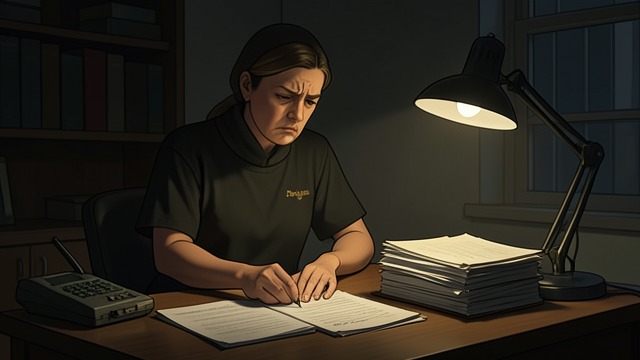
After Tatum challenges her certainty that Glover is also the Chicago embalming killer, Zoe begins to reconsider the evidence. His distinction between Glover’s older crimes and the new pattern unsettles her, but it creates room for a more disciplined approach. She agrees to clear the Maynard material from her walls and examine the Chicago murders afresh.
Collaboration as a new tool
Working through the evidence with Tatum, Zoe articulates that the killer’s poses tell a story: the women appear to have been treated as partners and then abandoned. Their exchange turns that interpretation into a practical line of inquiry about how the killer chose clothing and where he might have taken his victims. The breakthrough grows through discussion, not solitary certainty.
Zoe’s professional strength remains her vivid imagination, but she begins to recognize that it must be tested against facts and other perspectives. By sharing her reasoning, she becomes more effective without surrendering her instincts. Her arc moves from the child no one believed toward a profiler who can be both perceptive and self-correcting.
September 1997, after Beth Hartley’s murder
December 15, 1997, after Clara Smith’s murder
July 1997 in the Maynard timeline, recalled during the Chicago investigation
July 25, 2016, after Zoe returns from Chicago
Late July 2016, during Zoe’s home investigation
